

Welcome to Ray of Sunshine, the first edition of a monthly good news round-up by Kingdom Sun. While we're doing our part with timber framed solar carports, that's just one part of the answer. Every month, we'll share real progress on energy and the environment from around the world. A movement of good is growing right now, quietly outpacing the people who'd rather it stop. Here's what's worth knowing about this month.
Five things from the past few weeks worth knowing about.
1. The biggest wind farm ever built in America just started running
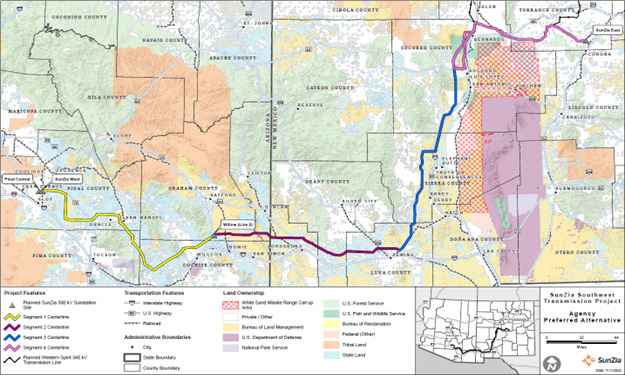
In the high desert of central New Mexico, three rural counties have just finished hosting the construction of the largest wind farm ever built in the United States. As of last month, all 916 turbines are spinning, the project is sending power across the western half of the country, and a brand-new 550-mile transmission line connects the wind farm to where people actually live (Electrek, April 17 2026; Pattern Energy).
The project is called SunZia. Its size is hard to grasp from the headline number – 3,500 megawatts – so here's what that comes out to in everyday terms: enough electricity each year to power roughly a million American homes.
There's an unsung side to this project: the cable that delivers the electricity to homes and businesses. For decades, the hardest part of large American wind projects has been moving power from the windy middle of the country to the more populated coasts.
That 550-mile powerline now stretches from central New Mexico to south-central Arizona, the first of its kind built at this scale since the 2000s. Other developers now have a working precedent to follow.
2. China is building wind and solar faster than the rest of the world combined
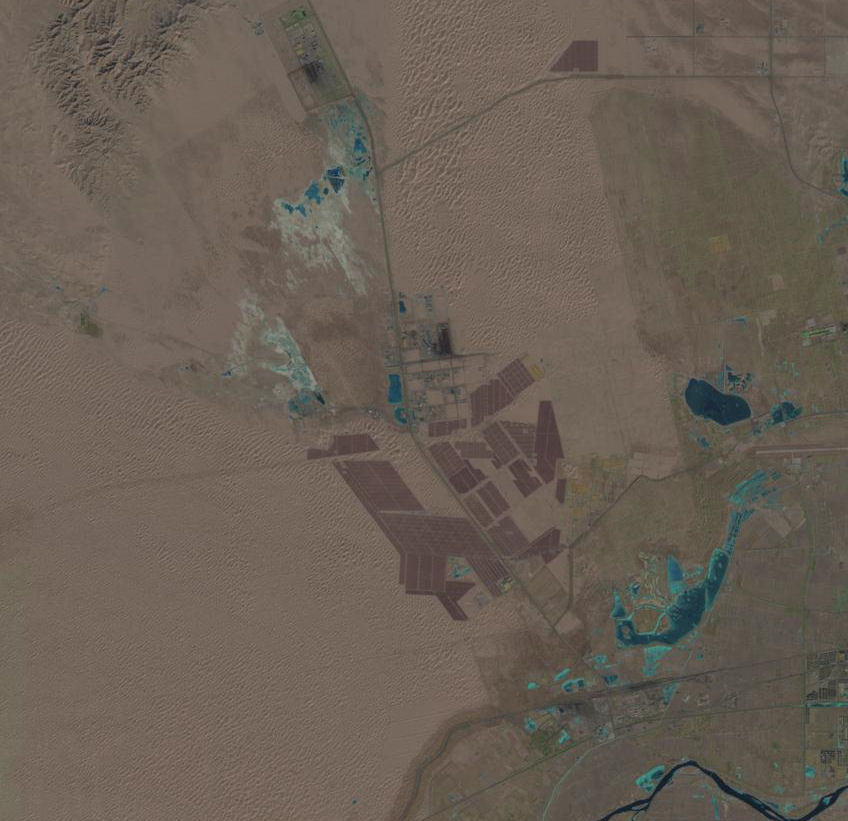
In 2024, China installed more new wind turbines and more new solar panels than every other country on Earth put together. The country is on track to do it again this year. As of February 2026, its installed solar capacity reached 1.2 trillion watts and its wind capacity reached 660 billion watts (IEA; Mercom).
To put those numbers in some perspective: China's solar fleet alone is now roughly five to six times the total in the United States (about 220 gigawatts at the end of 2025). And growth from 2024 to early 2026 came in at roughly 30% per year – meaning the country's clean power base is doubling on something like a three-to-four-year cycle.
Geopolitical concerns notwithstanding, it's important to understand that China is the single biggest driver of the global clean-energy transition right now. The decarbonization curve we eventually want for the global atmosphere depends in significant part on what's happening in Chinese provinces this decade.
3. One in four new cars sold worldwide in 2025 was electric
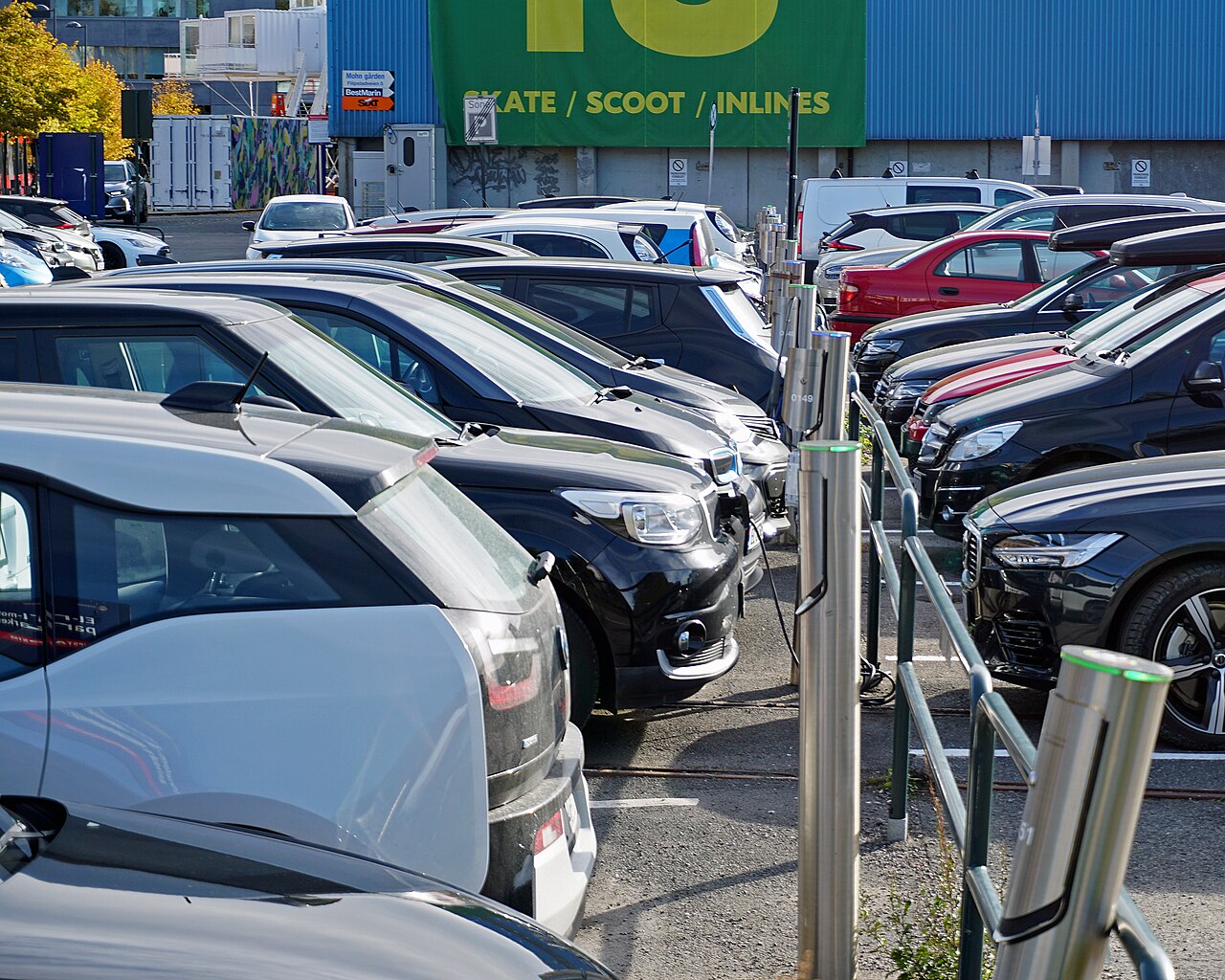
Global electric-vehicle sales hit a record last year: roughly 21 million EVs sold, growth of more than 20% year over year, and an EV share of about 25% of all new car sales worldwide for the first time (IEA Global EV Outlook 2025).
The geographic spread is wider than the headlines usually suggest. In China, electric vehicles passed half of all annual car sales for the first time. In the European Union, EV sales grew 30% in a year. In Norway, 96% of all passenger vehicles purchased were battery electric. India hit a new record at 2.3 million EV sales, with electric-car sales specifically up more than 75%. Sales in Southeast Asia more than doubled, with Indonesia alone seeing a 125% jump.
EVs took a long time to be taken seriously, and even longer to be available at prices ordinary households could afford. Last year was when that math finally cracked open in most of the world's largest car markets at once.
4. The Ocean Cleanup has now pulled 50 million kilograms of plastic out of the water
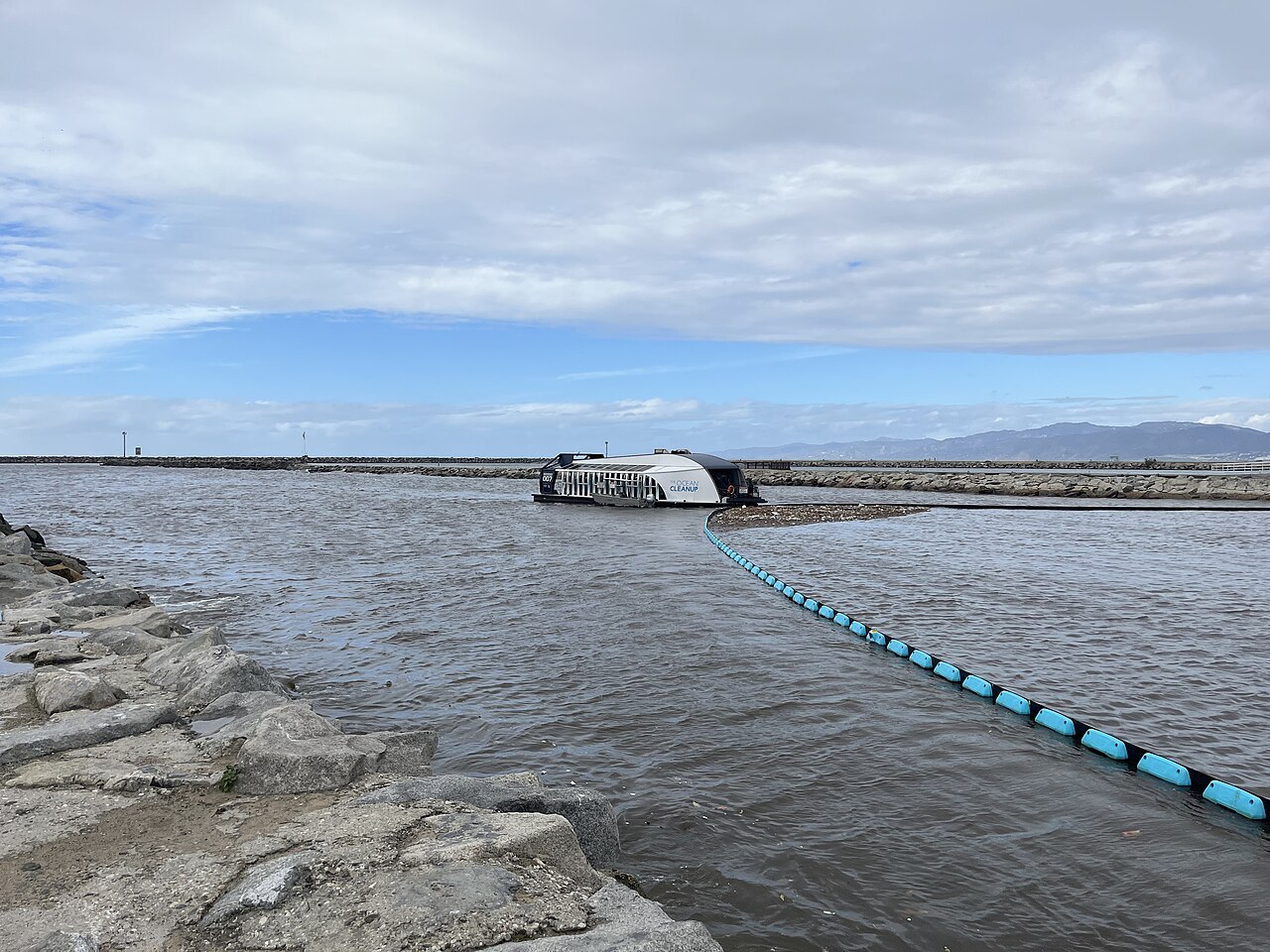
The Dutch nonprofit known as The Ocean Cleanup announced in March 2026 that its operations have now captured more than 50 million kilograms of plastic trash – about 110 million pounds – across its open-ocean and river-mouth systems combined (The Ocean Cleanup).
The open-ocean work focuses on the Great Pacific Garbage Patch, a floating wasteland of plastic trash twice the size of Texas. Two crewed vessels slowly tow a long buoyant system through the water, funneling plastic into a retention area where it can be hauled out. The river systems – called Interceptors – sit at the mouths of the most polluting rivers in the world and catch plastic before it ever makes it to open water.
50 million kilograms is small compared with the total volume of plastic in the ocean (estimates run into the hundreds of millions of kilograms in the Pacific patch alone), but the trajectory is what matters. The organization's stated target is to remove 90% of floating ocean plastic by 2040, and at today's level of performance, they are on target.
5. Europe's battery-recycling rule just took effect
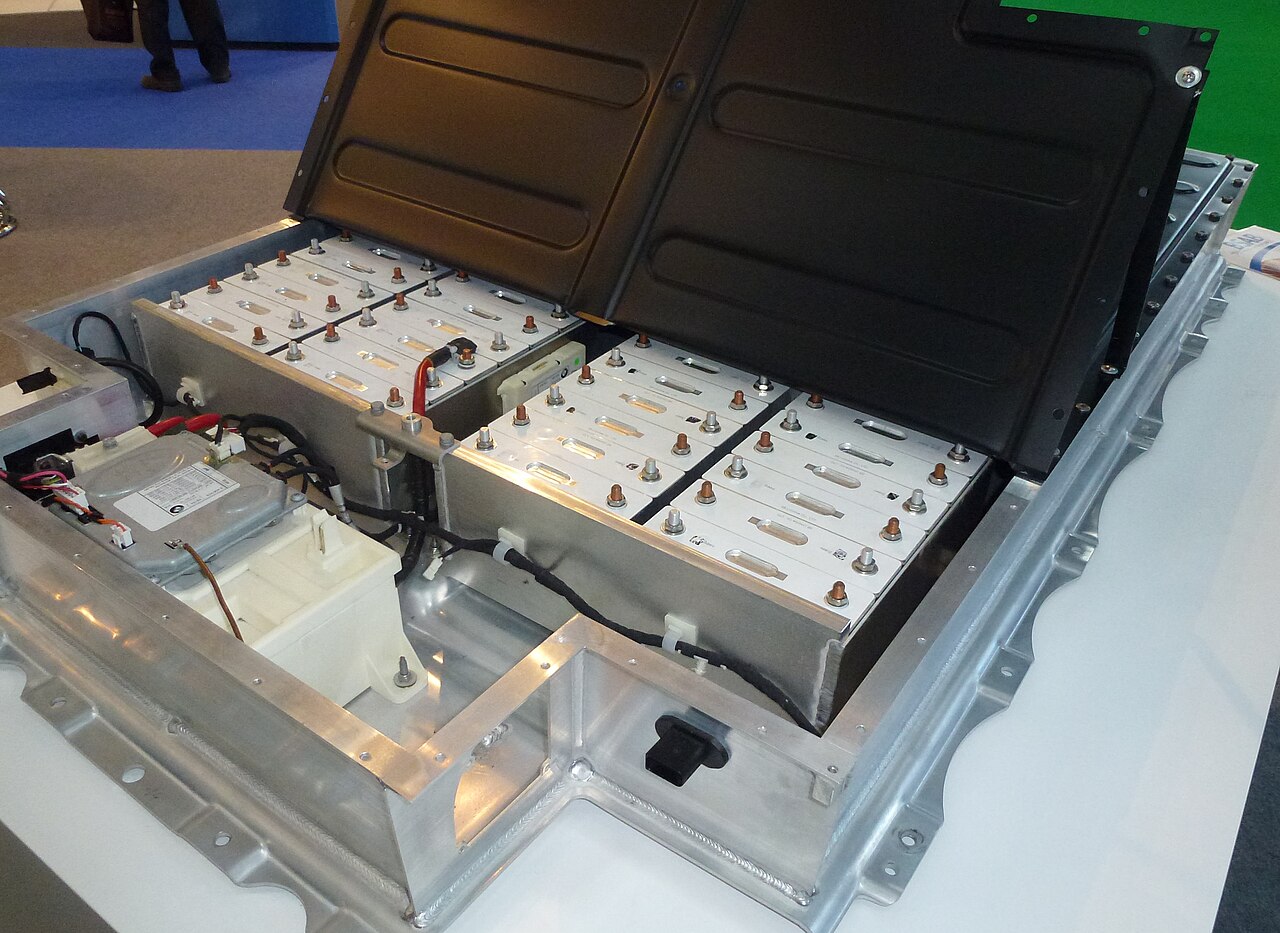
As of the end of 2025, European Union rules require recyclers to recover 65% of the mass of every lithium-ion battery they process – a recycling-efficiency target (how much material is reclaimed per pack), not a measure of how many are collected in the first place. 2026 is the first full year of enforcement, and the threshold tightens further in the years ahead (EU Battery Regulation 2023/1542).
On the operations side, North America's largest battery recycler, Redwood Materials, says its technology can already recover more than 95% of the key elements in a used lithium-ion pack – cobalt, copper, lithium, nickel, and graphite – and feed those recovered materials back into the supply chain for new ones (Redwood Materials).
The reason this matters: the largest single environmental concern about an EV-electrified future is what happens at end-of-life to all those batteries. The EU rule plus operational recovery rates above 95% is the first time we've had clear evidence that the answer is "they go back into new batteries, not into landfills." The circular-economy version of the energy transition is no longer theoretical.
Closing thought
The truth is that the world is surging ahead, expanding on clean technologies, building new ones, and cleaning up messes.
We'll be back next month with the next round.
Kingdom Sun publishes this monthly roundup of climate news that's actually happening. We build multi-use solar structures from wood – but this post isn't about that. It's about the bigger thing we're all working on.
Sources
- Electrek – The US's largest clean energy project is generating power (April 17 2026)
- EU Battery Regulation 2023/1542
- IEA – Global Energy Review 2026: Electric Vehicles
- IEA – Global EV Outlook 2025
- Mercom – China Installed 1.2 TW of Solar, 650 GW of Wind Capacity as of February 2026
- Pattern Energy – SunZia Wind and Transmission
- Redwood Materials
- The Ocean Cleanup – Milestones