

Welcome back to Ray of Sunshine, our monthly good news round-up from Kingdom Sun. While we're doing our part with timber framed solar carports, that's just one part of the answer. Every month we share real progress on energy and the environment from around the world. A movement of good is growing right now, quietly outpacing the people who'd rather it stop. Here's what's worth knowing about this month.
Five things worth knowing about.
1. Pakistani citizens just pulled off a solar revolution

Solar panels democratize energy – and there's perhaps no better example of this than Pakistan.
In just two years, families and small businesses in Pakistan have practically rebuilt the country's power grid by purchasing and installing close to 50 million solar panels. This was no government mandate, nor was it motivated by climate change. This move was entirely market-driven: grid electricity kept getting more expensive, and Chinese-made panels kept getting cheaper.
Add it all up and it comes to roughly 27 billion watts of solar in two years – close to the entire power system of a mid-sized country, financed by residents with a GDP-per-capita less than 2% of Americans (Ember, Worldometers).
That much new solar was enough to cover nearly all of Pakistan's growth in electricity demand over those two years – so as the country used more power, almost all of the extra came from the sun rather than imported fuel. By 2025 solar had become Pakistan's single largest source of electricity, supplying more than a quarter of the country's power (Ember).
Mass adoptions of solar can quickly reduce countries' greenhouse gas emissions; this boom alone has already avoided more than $12 billion in oil and gas imports. As the world's fifth most populous nation, Pakistan's grassroots energy transition holds promise for better all-around outcomes for the developing world.
2. Britain finished its first full year with no coal since 1882
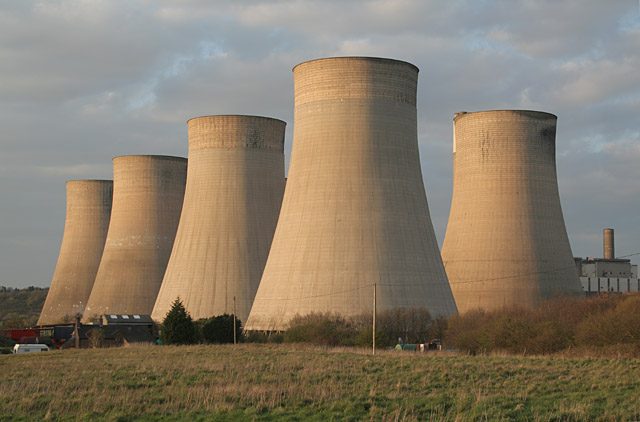
For the first time since 1882, Britain has gone a whole year without burning any coal to make electricity. The country that invented coal power, and ran on it for a century and a half, switched off its last coal plant in the autumn of 2024 and spent all of 2025 without it (Carbon Brief).
At its 1950s peak, Britain burned about 221 million tonnes of coal a year. In 2025 it burned none to produce electricity. The lights stayed on with mostly renewables (~47%), gas (~29%), nuclear (~11%), and imported and other power (~13%). The country's emissions fell 2.4% in a single year (Carbon Brief, Energy Trends).
This is bigger than one island nation. Around the world, less new coal capacity switched on in 2024 than in any year in about two decades, and the queue of planned coal plants outside China and India has shrunk by roughly 80% since 2015 (Global Energy Monitor).
Although a major industrial economy running a full year without coal looked impossible ten years ago, the rapid scalability of renewables has helped make it a reality.
3. Deforestation in the Brazilian Amazon fell to its lowest in a decade
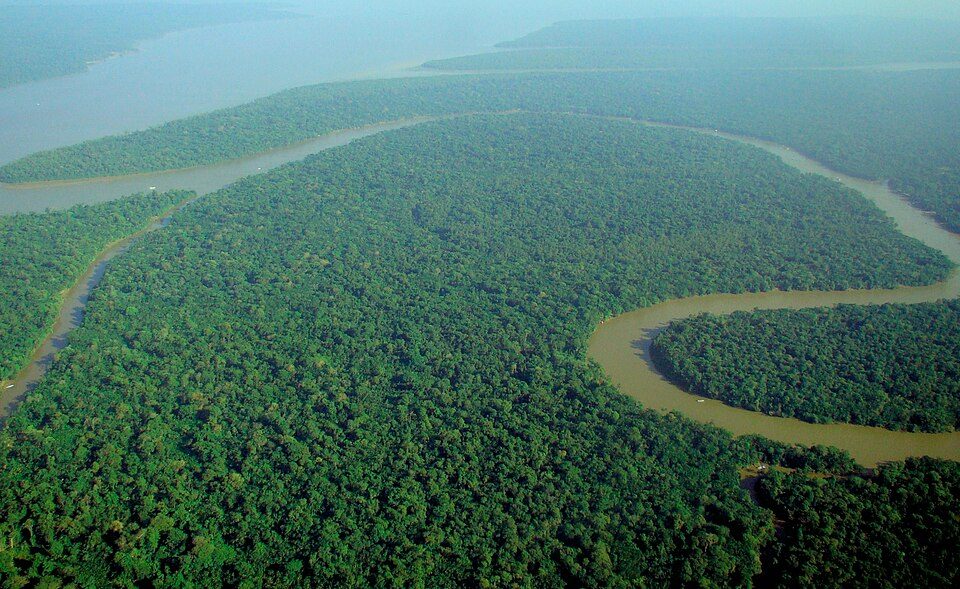
A standing rainforest is one of the cheapest pieces of climate machinery on Earth: leave it alone and it keeps its carbon locked in the trees.
Brazil just had its best year for doing exactly that in over a decade. Deforestation in the Brazilian Amazon fell about 11% in the year to July 2025 – the third year running that it has dropped, and the lowest level since 2014 (Government of Brazil / INPE).
Here's what that comes out to on the ground: compared with the year before, roughly 720 square kilometers of forest that would have been cleared was left standing – an area nearly the size of New York City. Deforestation is now down by about half from where it stood in 2022, and the stretch of Amazon lost to fire fell by around 45% over the same period.
Three straight years of decline is not a fluke. And while the Amazon is far from being safe, the last few years mark a positive trend.
4. German heat pumps just outsold gas boilers
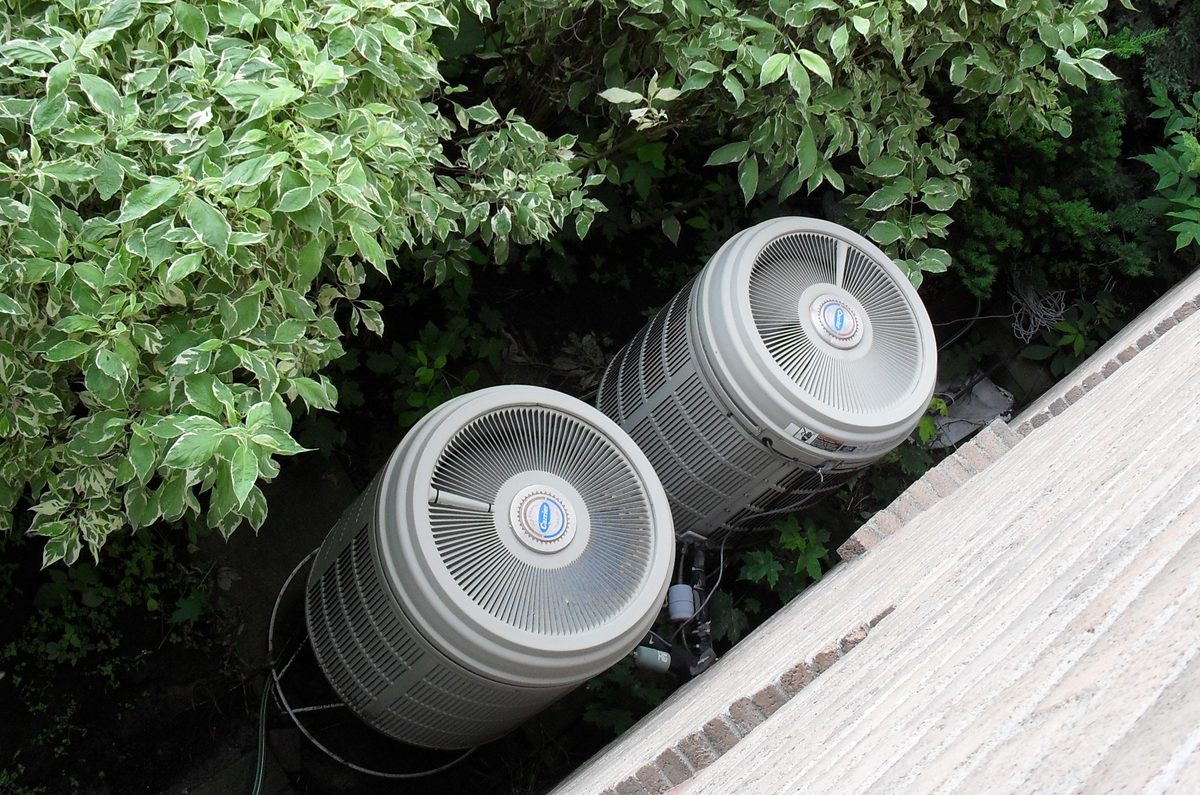
Heating buildings is one of the most stubborn corners of the whole climate problem because it comes down to millions of people replacing one furnace at a time.
So here's a milestone worth marking: in Germany, Europe's largest economy, heat pumps outsold gas boilers for the first time in 2025 – about 48% of new heating systems against 44% for gas (European Heat Pump Association, via Euronews).
A heat pump is worth a quick explanation, because the appeal is in the physics. Instead of burning fuel, it runs on electricity and moves warmth that's already in the outside air into your home – delivering roughly three to four units of heat for every unit of energy it uses. That makes it far cheaper to run than a gas boiler, and cleaner still as the power supply itself greens up.
Germany isn't alone. Across 16 European countries, about 2.62 million homes put in a heat pump in 2025, pushing the continent's total past 28 million. And 2026 is running warmer still, with sales up about 25% in the first three months of the year across France, Germany and Poland. The swap from flame to electricity, inside ordinary homes, is finally happening at scale.
5. India hit its 2030 clean-power target five years early
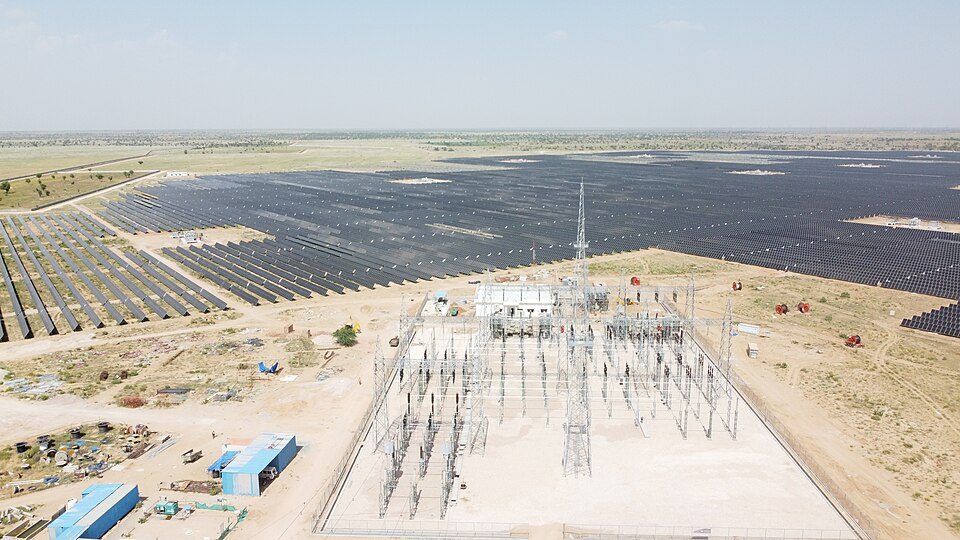
When India signed the Paris climate agreement, it set itself a goal: half of its electricity-generating capacity from non-fossil sources – solar, wind, water and nuclear rather than coal, oil or gas – by 2030. It reached that mark in the middle of 2025, five years ahead of schedule, and has kept climbing since (Government of India).
The build-out behind that number is enormous. In its most recent financial year alone, India added about 55 billion watts of non-fossil capacity – its biggest year on record – including 44 billion watts of new solar. By this spring its clean fleet had reached roughly 283 billion watts, its solar alone had passed 150 billion watts, and the country stood third in the world for installed renewable capacity.
The next target is 500 billion watts by 2030.
Closing thought
Five countries, five different problems, five real steps in the right direction – and every one of them is already done rather than promised. The world is building fast, and luckily, we're at a place where doing the right thing is also the economically sensible choice.
We'll be back next month with the next round.
Kingdom Sun publishes this monthly roundup of climate news that's actually happening. We build multi-use solar structures from wood – but this post is about the bigger thing we're all working on.
Sources
Carbon Brief – UK emissions fall 2.4% in 2025 as coal hits 400-year low
Ember – The solarisation of Pakistan's energy economy
Ember – Pakistan country profile
Energy Trends – UK Department for Energy Security and Net Zero
Global Energy Monitor – Boom and Bust Coal 2025
Government of Brazil / INPE PRODES – 2025 Amazon deforestation down 11.08%
Government of India / PIB – India ranks third globally in renewable energy installed capacity
S&P Global – India hits 50% non-fossil power capacity, five years ahead of target
Worldometers – Pakistan GDP and GDP per capita