
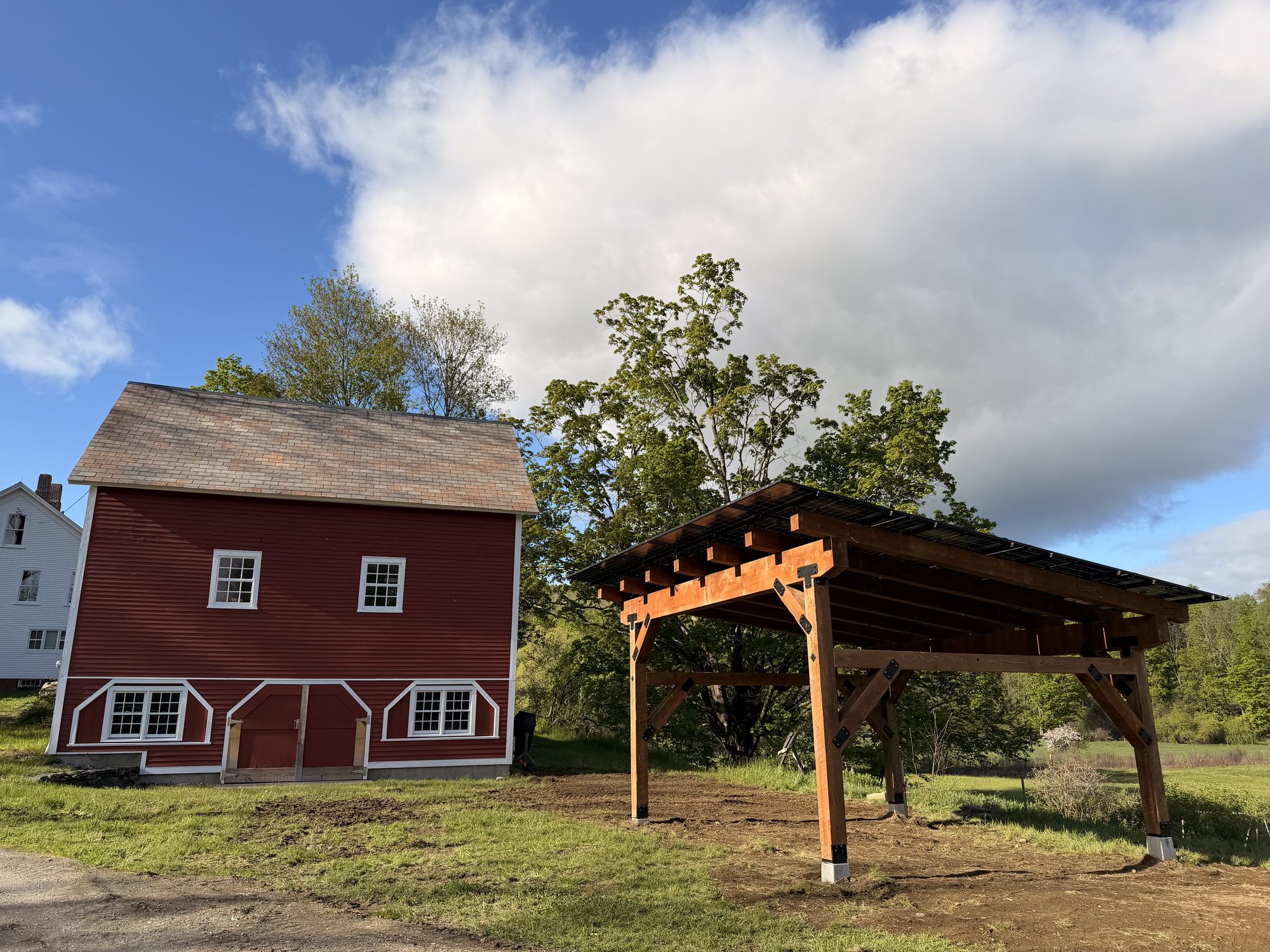
When a neighbor comes over to admire your new solar install, it's natural to show off the panels. They're the visible heart of your investment, and they're doing the work of turning sunlight into electrical power.
Yet those panels are only about 10% of the total solar installation cost. Where does the rest of your money go?
Solar installation cost breakdown
Some of that other 90% goes toward additional equipment required to make the solar panels work: the inverter, the racking, the wiring and conduit, the junction boxes. But a much larger share of that 90% goes to so-called "soft costs": selling, permitting, warrantying, and the labor of installing the system (EnergySage). In fact, the cost of finding you as a customer tends to be larger than the cost of the panels themselves (DOE, EnergySage).
What should we make of this? It's not that 90% of a solar investment is wasted, exactly – at some level, it's just the cost of doing business. But for the customer, most of that 90% produces very little added value beyond the operation of the panels.
Why this isn't changing
Although panel costs have fallen steeply over the past decade and keep drifting lower, the soft costs have stayed put (NREL). There's a national conversation about how to bring down those soft costs, and here at Kingdom Sun we are working on some creative solutions to this problem as well.
But reforming an industry takes time, and people need affordable solar now. So what can we do in the meantime?
Thinking outside the roof
Residential solar tends to get placed apologetically – out of the way, and preferably out of sight.
This means solar panels either go on a rooftop, where they present a long-term leak hazard, or in some corner of your yard, where they eat up valuable space. This has been the status quo for a long time: we are used to solar being fenced off and utilitarian.
In fact, modern solar can and should be an integral feature of design rather than an afterthought. Architects have even begun weaving the panels straight into the structure – building-integrated photovoltaics, or BIPV, like the electric-glass facade of the Lillis Business Complex in Oregon. Other times they're a deliberate aesthetic feature: the solar roofscape of the BedZED eco-village in England, or the motorized "wings" that track the sun atop the Museu do Amanhã in Brazil.
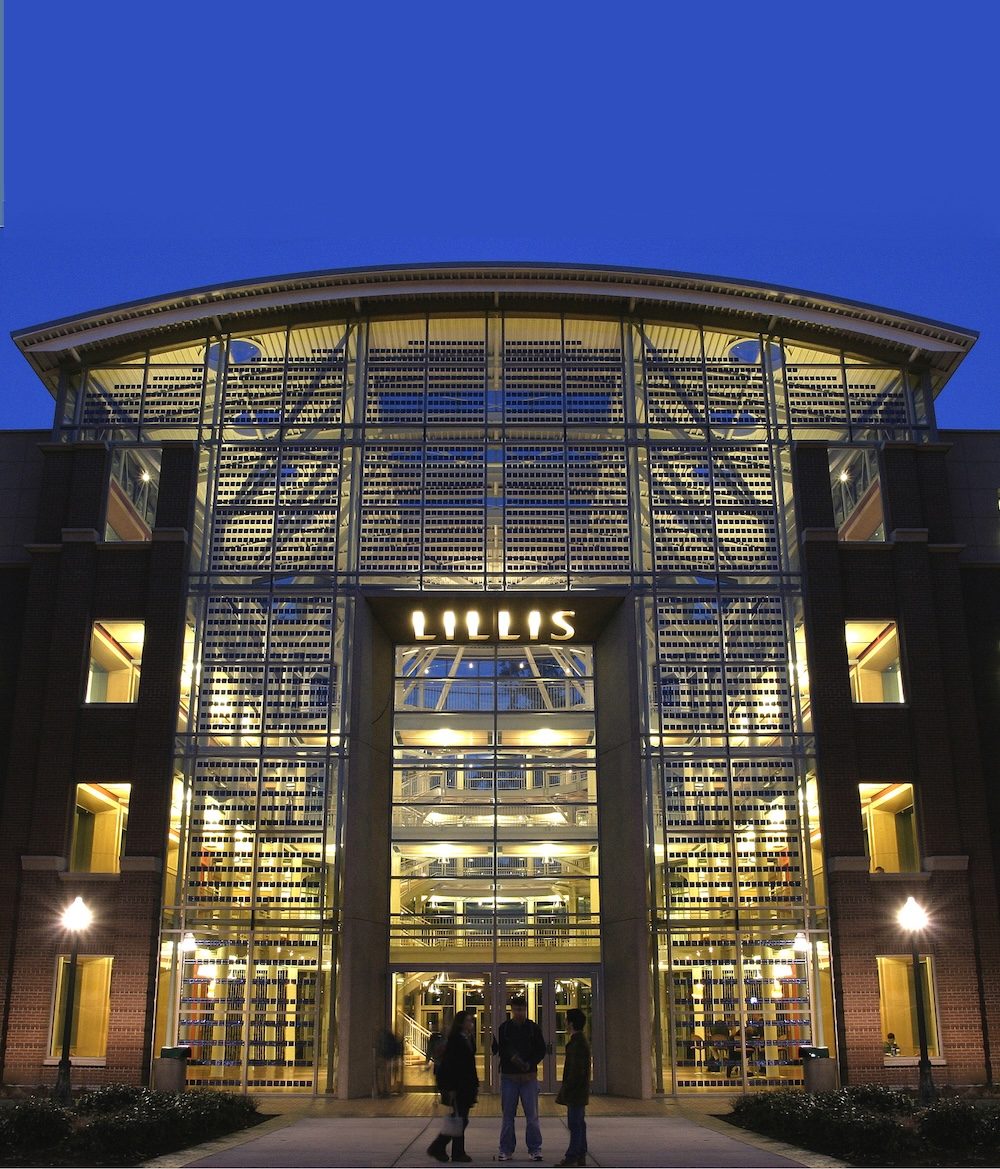
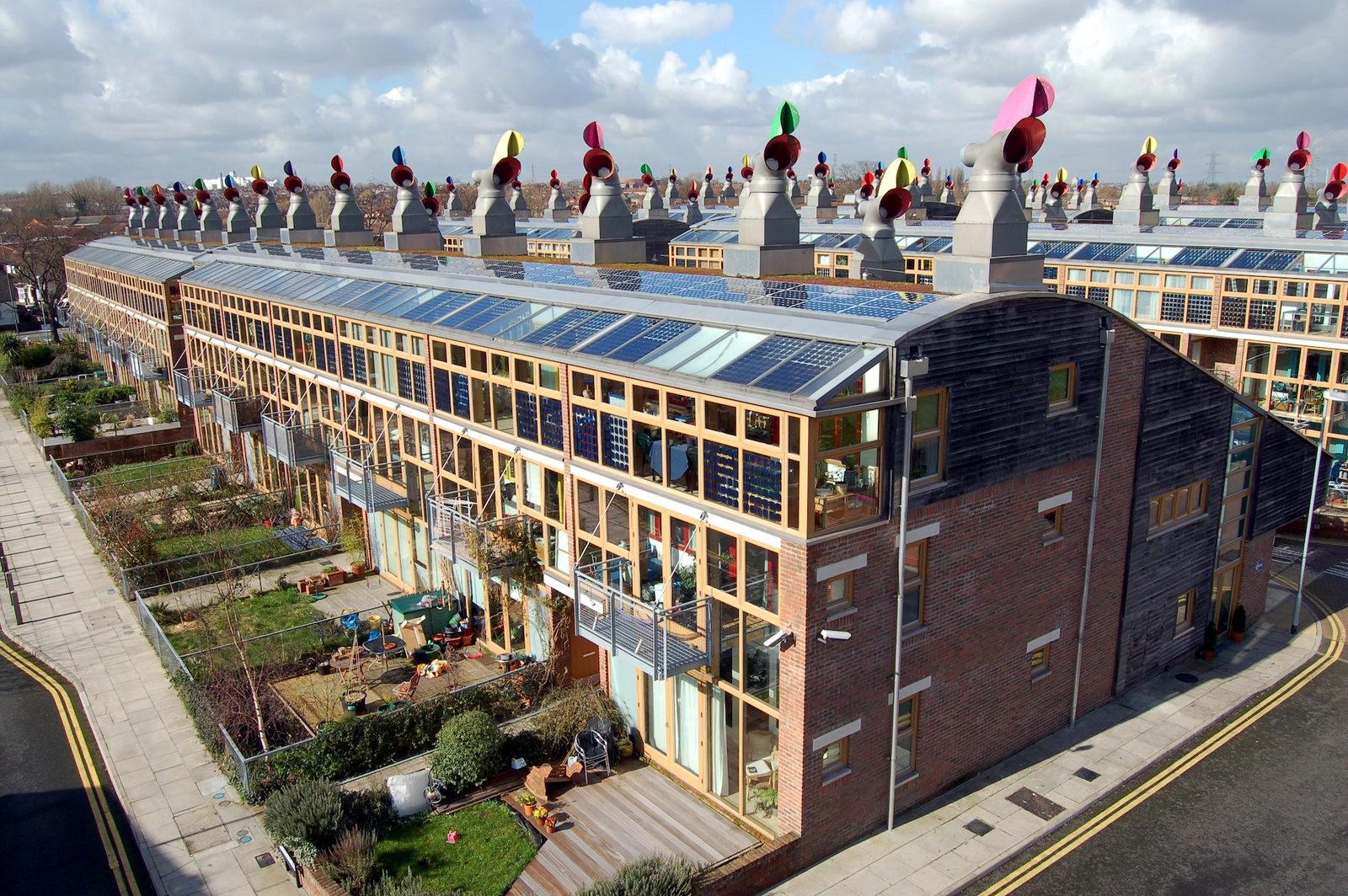
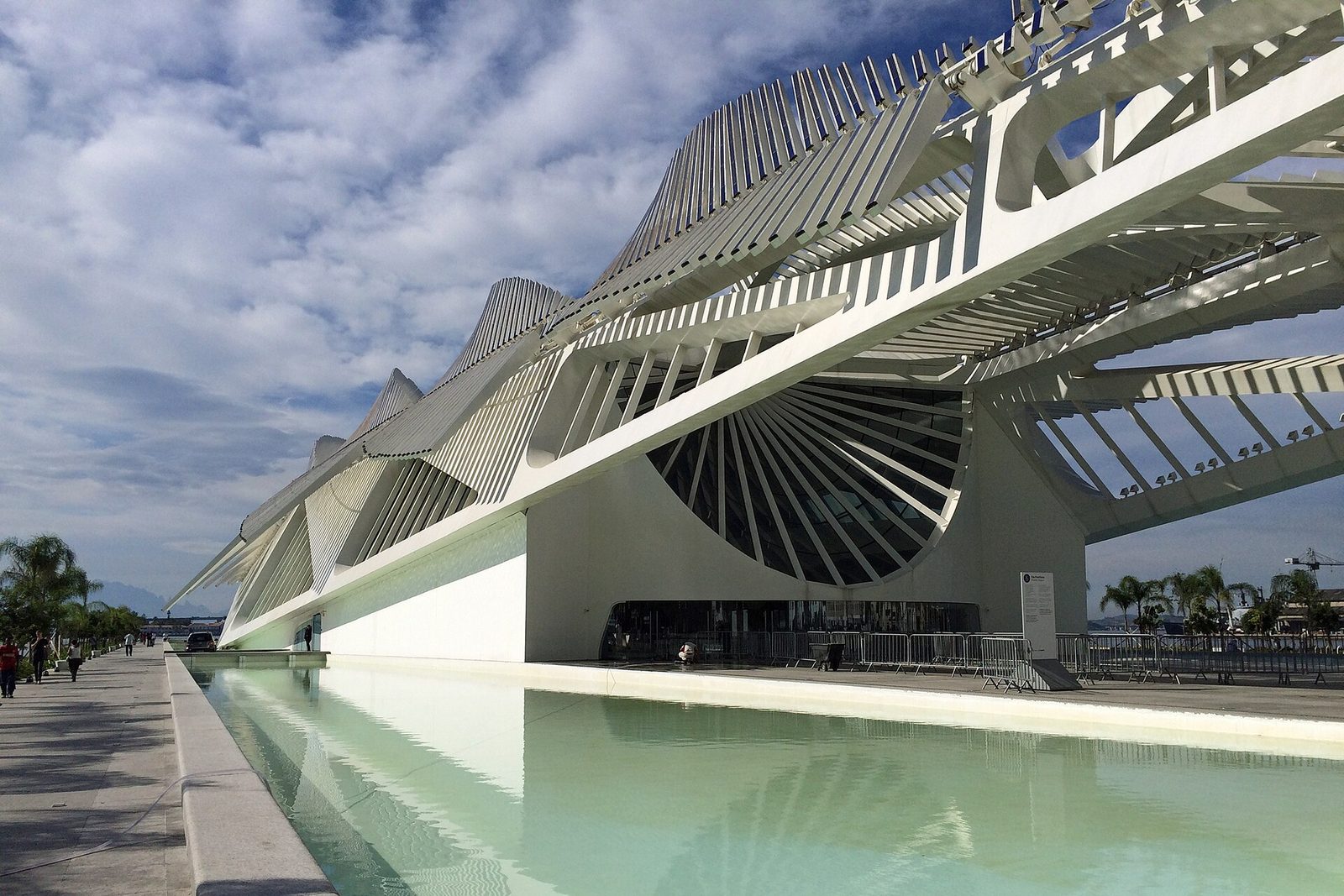
While this has largely been reserved for commercial properties, architectural solar is now available to homeowners looking to capture more value from their residential solar installations.
What the 90% could buy
If 90% of the spend is everything other than the panels, the smart move is to make it count.
That money could build something. A residential solar carport puts the same panels on a structure you'd want on the property anyway: covered parking, a place to charge an electric car, shade over a patio.
Built from timber instead of bolted to a roof, it reads as part of the home – a solar pergola or patio cover, not steel racking. No roof penetrations, no corner of the yard fenced off, at a cost that competes with a conventional ground-mount. The same 90%, spent on something you can see and use from the first day.
Resale value should be part of the conversation, too. Homes with solar sell for about 6.9% more than comparable homes without (SolarReviews). Covered parking, EV charging, and shade are things buyers value even further. A structure that delivers all of that and powers the house is worth more than panels added to a roof.
A solar carport you'd want anyway
The Sunport is our version of that idea: a timber-frame solar carport that guarantees the largest part of your solar investment is also a part you're glad to look at. If you'd like to see one on your property, build yours in the Configurator.